About
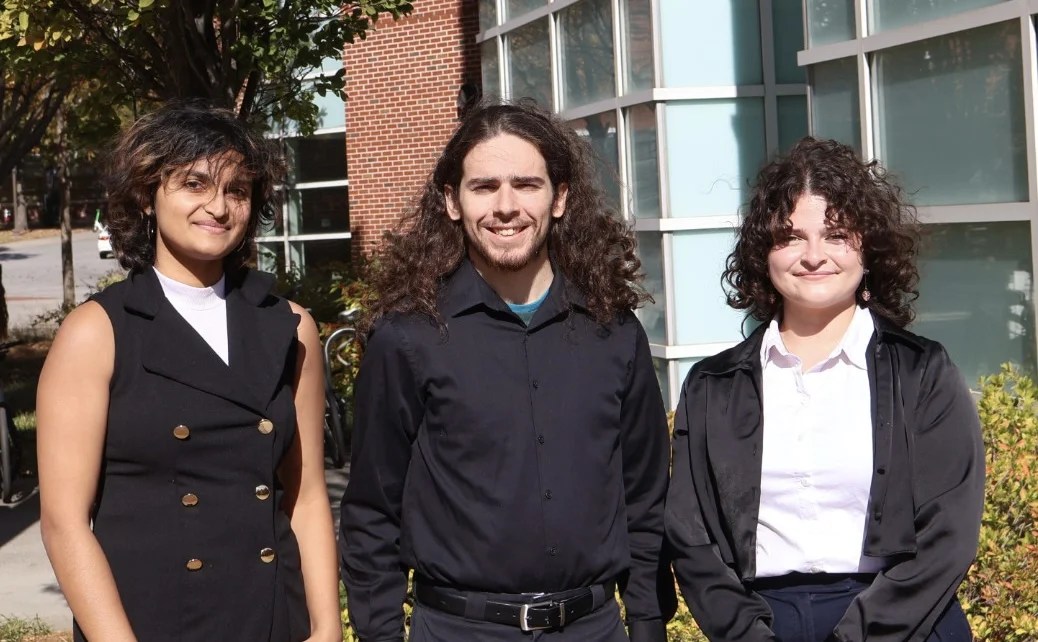
We are the Atrazine team, a branch of the Chemical Equity research group dedicated to understanding the relationship between atrazine exposure and endocrine cancer. Our goal is to improve worker safety in the agricultural industry through education and legislation. We aim to deliver effective, scalable solutions to mitigate the science-backed risks of atrazine exposure. If you are in regular (yearly) contact with atrazine, or have been in the past, please consider taking our brief, anonymous survey to help guide our research.
Core Goals
Advocate for increased regulation of atrazine alongside stronger infrastructural support for informed consent and applicator safety.
Bridge the gap between rural experiences and urban or suburban awareness, building a unified coalition capable of driving legislative change.
Ensure that rigorous safety standards and the fundamental right to a healthy environment govern pesticide application.
Atrazine Background
Atrazine, a common herbicide banned in the European Union but widely used in the United States, is associated with toxicity and endocrine disruption. This team investigates the relationship between atrazine exposure and endocrine-related cancer incidence, focusing on the health and safety of agricultural workers who are in regular contact with atrazine.
Accomplishments
Preliminary research has found a tentatively positive correlation between atrazine exposure and endocrine-related cancer incidence.
Current Work
To ground our research in real-world experience, we recently launched an IRB-certified online survey designed for rural residents and pesticide applicators. This survey collects anonymous data regarding the usage of atrazine and Atrazine/Acetochlor mixtures, as well as the level of institutional support and safety education available to those handling these chemicals. Every response is vital; a robust sample size ensures the statistical precision necessary to present an accurate picture of the current agricultural landscape. We are actively seeking connections with rural organizations to help distribute this survey and amplify the voices of those most affected.
Additional Resources
Annotated Bibliography
Past Team Members

Interested in joining this team? Meet the team