Have a story to share about your experience?
Latest from the team · November 2, 2026
BioLab Team: Canvassing in Conyers
By Felisity Nicole Collins
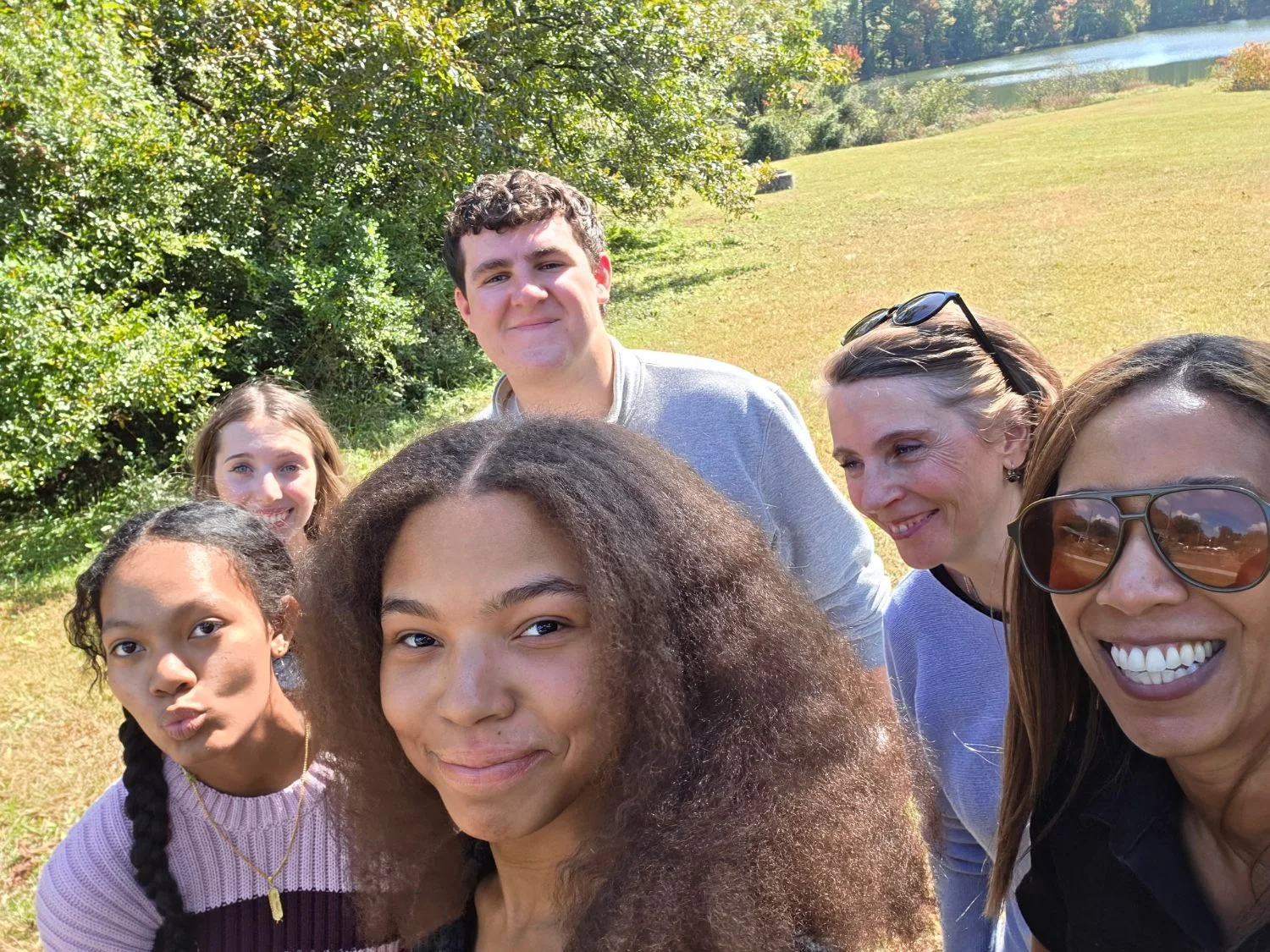
The Biolab Team headed out to Conyers this past Thursday to reach out to the community living in the aftermath of the Biolab disaster. Here are some of the things they noticed…
The 2024 BioLab Chemical Disaster
What happened, what is known, and all the unanswered questions.
Scene 1 of 6
What Was BioLab?
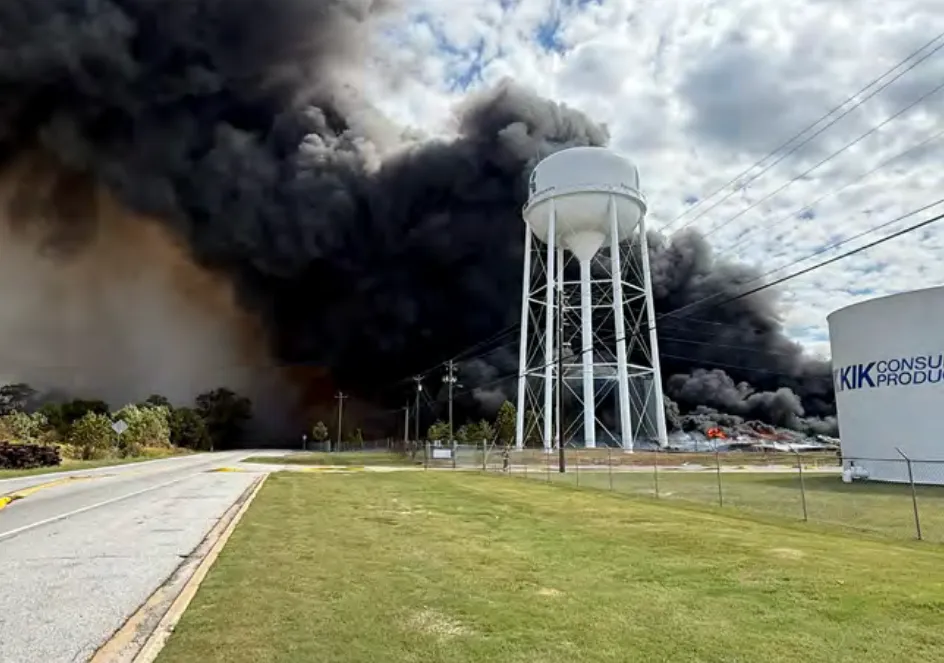
BioLab manufactured bromine and chlorine based chemicals that are used to sanitize pools and spas. In Conyers, Georgia, their facility produced and packaged these products to later be stored in Plant 12 (CSB, 2024).
History
1973
Conyers facility opened
241
full-time employees in 2024
275,125 sq. ft.
Plant 12 warehouse
Photo: cover of the CSB final report, U.S. Chemical Safety Board
Scene 2 of 6
September 29, 2024: The Fire
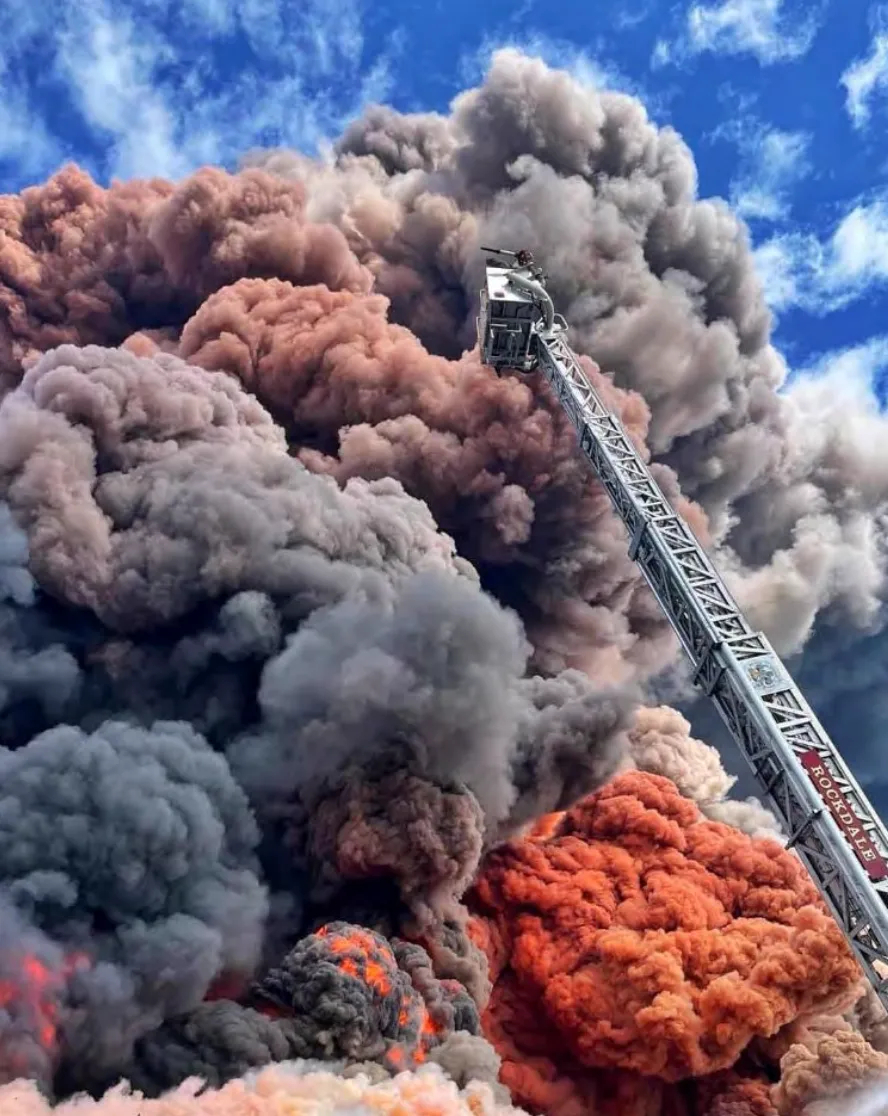
Early that morning, a chemical reaction began when the stored chemicals came in contact with water. An initial fire was reported and extinguished, but around noon a second chemical reaction began. The warehouse was destroyed by the flames and released a massive chemical plume that could be smelled on the streets of Atlanta (CSB, 2024).
Timeline
5:10 AM
emergency call placed
7:40 AM
shelter-in-place warning issued
~12:00 PM
second fire erupts
17,000
people evacuated
Photo: cover of the CSB final report, U.S. Chemical Safety Board
Scene 3 of 6
Conflicting Reports and Public Uncertainty
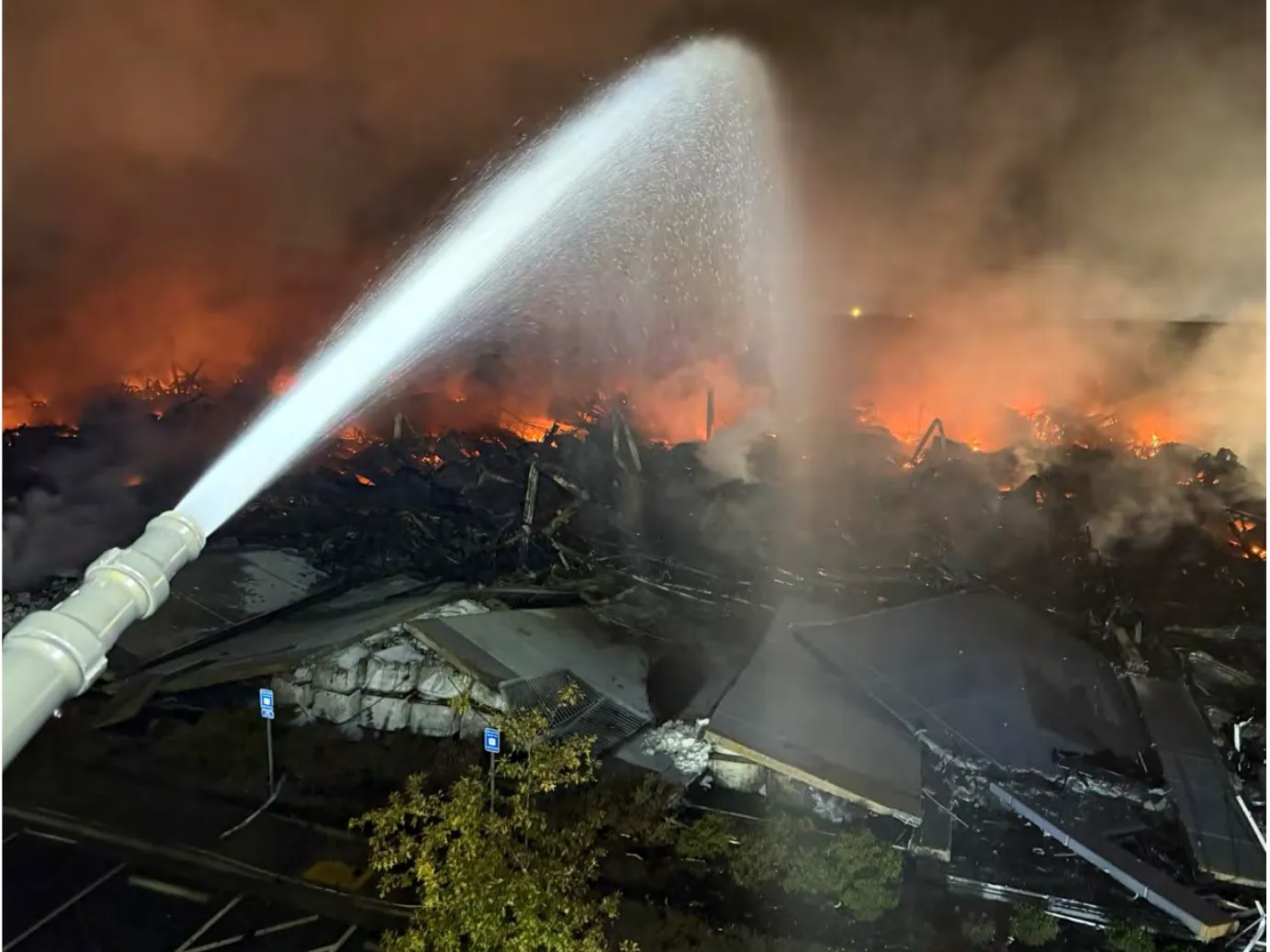
Residents received a variety of evacuation and shelter-in-place instructions, while little or conflicting information was released about the risk they were facing. Meanwhile, the source of the water that caused the fire was undetermined. (CSB, 2025; Kirkland, 2026).
Contrasting Headlines
The Source
- Hurricane HeleneCould have caused or exacerbated roof leaks
- Sprinkler systemDeteriorating equipment could have released water
Public Safety
- ~90,000 people were advised to shelter in place into October
- Some residents faced changing instructions for 3 weeks
Photo: Rockdale County Fire Rescue, evening of September 29, 2024, via the CSB final report
Scene 4 of 6
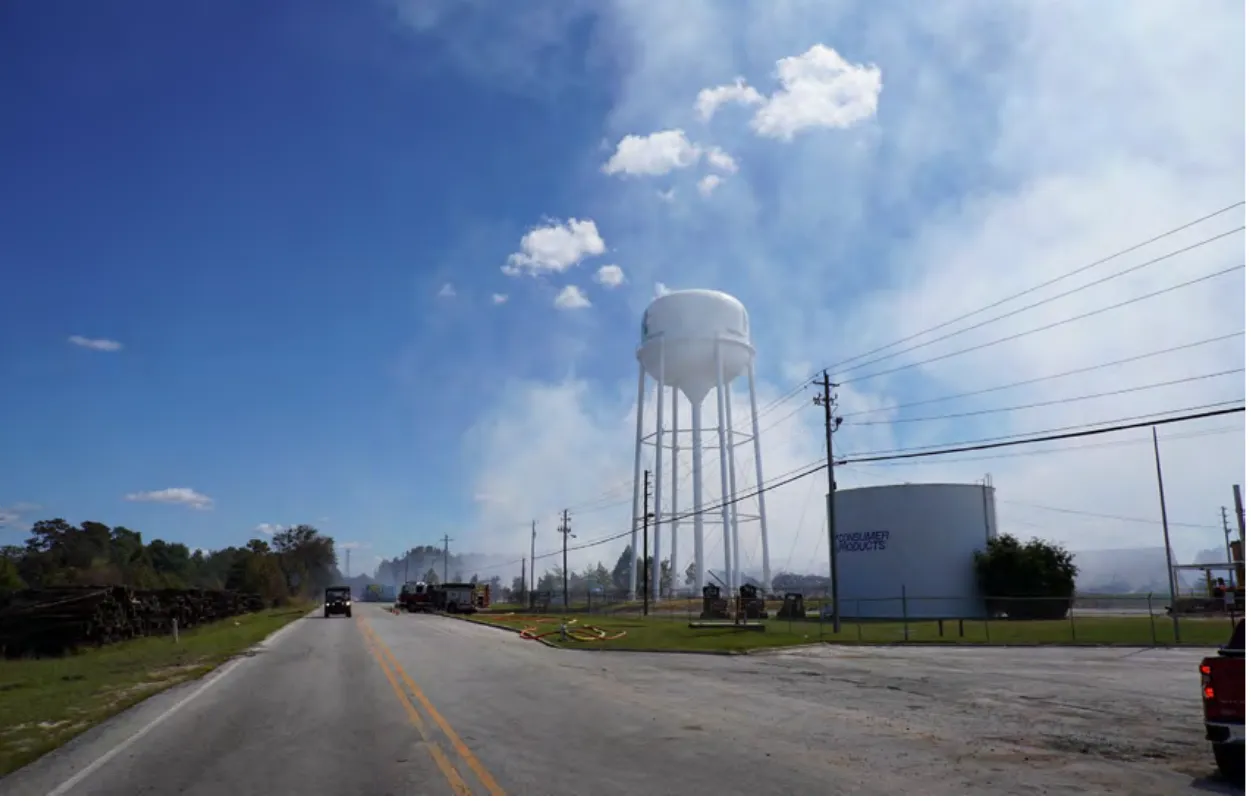
What Investigators Eventually Found
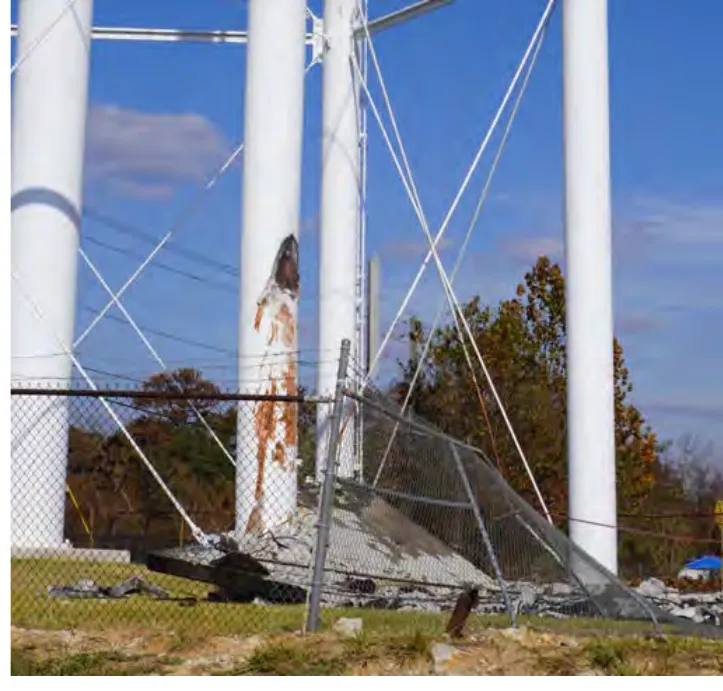
In July 2026, the U.S. Chemical Safety Board's final investigation identified a corroded sprinkler component as the source of the water that triggered the reaction. Investigators highlighted years of equipment corrosion and inadequate preventive maintenance (Kirkland, 2026).
Key Findings
13.9 million pounds
reactive chemicals stored in Plant 12
6.2 million pounds
inventory originally anticipated in 2019
1,100+
corroded sprinkler heads identified in a 2023 inspection
Photo: U.S. Chemical Safety Board
Scene 5 of 6
What Was in the Air?
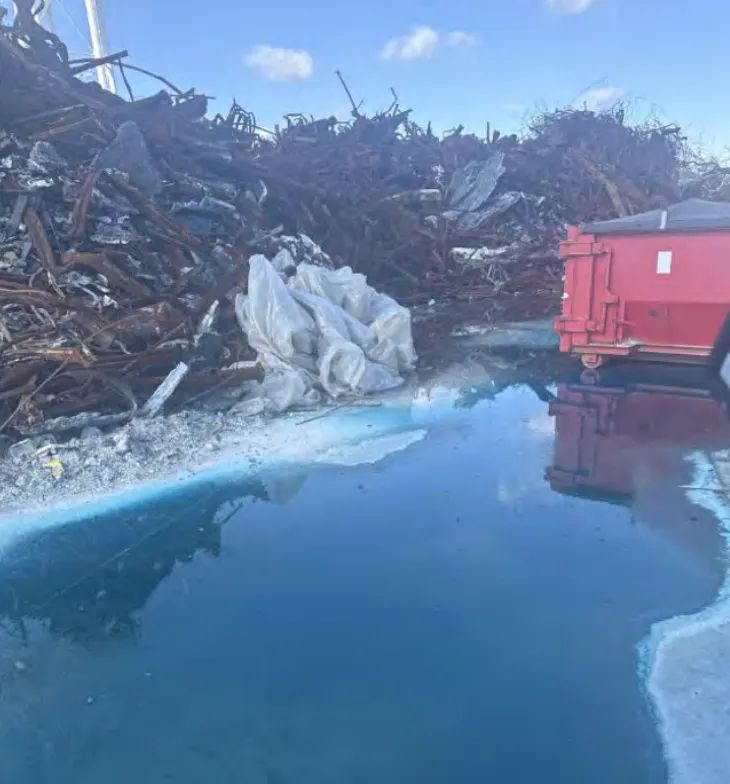
Georgia Tech researchers identified 26 chemical species from the plume, including bromine, chlorine, and isocyanic acid. Unexpectedly, bromine dominated the readings from the initial plume, hinting at the complex chemistry of the incident. (Harper et al., 2026).
BromineMidtown Atlanta
140 ppbv
Isocyanic acidMidtown Atlanta
31 ppbv
ChlorineConyers
370 ppbv
These peaks were observed at different locations and times.
Photo: U.S. Chemical Safety Board, October 2, 2024
Scene 6 of 6
The Lasting Impact
Shelter-in-place warnings continued into October, and BioLab eventually permanently stopped chemical manufacturing at the Conyers facility. The initial risks and long-term health consequences for individual residents remains uncertain (CSB, 2024; Harper et al., 2026; Kirkland, 2026).
When the smoke disappears, does the danger disappear with it?
Photo: KIK, via the CSB final report
What we are doing this fall
Hearing Conyers, one door at a time
Our team is investigating the chemical aftermath of the 2024 BioLab fire in Conyers, Georgia. In Fall 2026 we are canvassing the affected community, hearing residents' stories and documenting symptoms and exposures, to build a data map of the fire's health impact by the end of the semester.
Prepare
An interview script built around informed consent, a door hanger that explains who we are, and a structured question sheet.
Canvass
A visit to Conyers with GPB reporter Pamela Kirkland to hear residents' stories and record symptoms, timing and exposures.
Map
A data map of symptoms and exposures across the affected community, built from residents' own accounts.
Documenting those stories matters on its own: leaving them untold reinforces the injustice of the disaster and leaves the door open for it to happen elsewhere.
Fall 2026 Update
The BioLab team is preparing for a visit to Conyers, Georgia with help from Pamela Kirkland. They hope to hear the stories of residents and discuss the health impact of the fire on residents. The trip will contribute to a database of symptoms and exposure the BioLab team is building, but they hope to gain something more valuable: the stories of people impacted by the disaster. Leaving these people's stories untold reinforces the injustice of this disaster, leaving the door open for it to happen in other communities in the future. The BioLab team will stand to create real positive change using the data and testimonies they hear on their trip.
Canyon Aplin, Research Update · Read the full update
Listen and watch
Manufacturing Danger: The BioLab Story
GPB podcast · Pamela Kirkland
Winner of a 2026 NABJ Salute to Excellence Award. Also available on GPB.org
Scott Smith, Blue Shirt Justice League
Scott Smith and the Blue Shirt Justice League, featured speaker
Research & Resources
Harper, C. A., et al. — Environ. Sci. Technol. Lett. 2026, 13 (5), 664–669
Georgia Tech Repository · real-time air chemistry data from Midtown Atlanta and Conyers
Georgia Tech Sustainability · December 11, 2024
The Atlanta Journal-Constitution · June 26, 2026
Georgia Public Broadcasting · Pamela Kirkland · 2026 NABJ Salute to Excellence Award